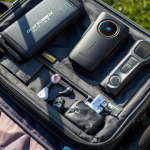
Golf technology innovations are changing how players practice, prepare, and make decisions on the course. Golf has always rewarded feel, patience, and skill, but modern tools now give players better feedback than ever before. Instead of guessing why a shot missed, golfers can study launch data, swing motion, club distances, course maps, and performance trends with far more clarity.
This does not mean technology should replace instinct. Golf still depends on rhythm, touch, creativity, and confidence. However, the right tools can help players understand their game faster. A launch monitor can show true carry distance. A GPS watch can reveal safer targets. A smart app can track patterns over time. As a result, golfers can practice with more purpose and make smarter choices during each round.
The latest wave of golf tools is also becoming easier to use. Earlier devices often felt expensive, complex, or limited to serious players. Now, many products are smaller, faster, more visual, and more connected. New rangefinders, wearables, artificial intelligence apps, launch monitors, and simulator systems are making data more useful for everyday golfers. Recent golf technology innovations include sensorless shot tracking, AI swing analysis, advanced launch monitors, and smarter simulator software.
Why Golf Technology Is Moving So Fast
Golf technology is moving quickly because players want better feedback without making the game harder. Many golfers do not have unlimited practice time. They want to know what matters, what to fix, and how to measure progress. Technology helps by turning unclear problems into clearer patterns.
Golf technology innovations also reflect how modern golfers practice. More players use indoor simulators, home hitting bays, GPS apps, rangefinders, and training aids. This shift has made software just as important as hardware. A device is no longer judged only by the numbers it captures. It also needs to explain those numbers in a way golfers can use.
Artificial intelligence is a major reason for this change. Newer swing tools can review video, detect movement, and give feedback in minutes. Some apps now analyze body motion, shaft position, and club movement together, which can help players see the full swing more clearly. IdeasLab’s XView AI, for example, was launched with versions aimed at different skill levels and budgets, showing how AI swing tools are becoming more accessible.
Another major shift is portability. Golfers no longer need a full studio to collect useful data. Smaller launch monitors, pocket devices, watches, and phone-based tools are bringing feedback to the range, course, and home practice area. Because of this, improvement can happen in more places.
Better Data Is Becoming Easier to Understand
The best new tools do not simply give players more numbers. They help golfers understand what those numbers mean. For example, ball speed, launch angle, spin rate, carry distance, and club path are useful only when they connect to a clear decision. If the data feels confusing, it can slow improvement.
Golf technology innovations are now focused on clarity. Instead of long reports, many tools show simple visuals, trend lines, and practice suggestions. This helps golfers avoid data overload. It also makes technology more useful for beginners and casual players.
Launch Monitors Are Getting Smarter
Launch monitors used to feel like elite equipment. They were common in fitting studios, coaching bays, and professional environments. Today, more golfers use them for home practice, range work, simulator golf, and distance tracking. These devices measure ball flight and, in many cases, club delivery.
Golf technology innovations in launch monitors are making practice more accurate and more engaging. Players can now track carry distance, total distance, spin, launch, ball speed, and shot shape with more convenience. This helps golfers learn their real distances instead of relying on their best shots or old habits.
For many players, carry distance is the most useful number. It tells you how far the ball flies before it lands. This matters when clearing bunkers, water, or rough. Once you know true carry distances, club selection becomes easier on the course.
Simulator software is also improving fast. Newer systems focus more on realistic graphics, game modes, practice layouts, and easier setup. Recent PGA Show coverage highlighted trends such as new launch monitors, ceiling-mounted units, AI swing tools, and major simulator software updates.
Home Practice Is Becoming More Realistic
Home golf practice has changed a lot. A golfer can now use a net, mat, launch monitor, and screen to create a useful practice setup. While not every home system matches a premium studio, even simpler setups can help golfers practice more often.
This matters because consistency improves with feedback. Hitting balls without data can still help, but it may also hide mistakes. A golfer might think a shot felt good, yet the numbers may show too much spin or weak launch. Better feedback makes practice more honest.
Golf technology innovations also make practice more fun. Virtual courses, challenges, games, and skill tests can keep golfers engaged. When practice feels enjoyable, players are more likely to repeat it.
AI Swing Analysis Is Becoming More Personal
AI swing analysis is one of the most talked-about areas in modern golf. These tools often use phone video, sensors, or wearable data to review movement and identify patterns. For golfers who cannot see a coach every week, this can provide useful guidance between lessons.
Golf technology innovations in AI are making swing feedback faster and more visual. Instead of reading a technical description, players can often see overlays, checkpoints, and movement comparisons. This helps golfers understand where the club, body, or hands are during key swing moments.
AI can also make feedback more personalized. A good tool should not force every golfer into the same swing model. Golfers have different bodies, strengths, limits, and goals. Research into swing analysis using video, joint features, and wearable sensors has continued to grow, showing how data can support more personalized feedback.
However, golfers should use AI tools wisely. A swing app can help identify patterns, but it does not know everything about your body, injury history, or playing goals. If a change feels painful or confusing, a qualified coach can help. Technology should guide improvement, not create pressure.
Video Feedback Helps Visual Learners
Many golfers learn better when they can see the problem. A coach may say the club is too far inside, but a video makes that idea easier to understand. AI tools can add lines, angles, and side-by-side views that make the feedback clearer.
Video also helps track progress over time. A golfer can compare swings from different months and see changes. This can build confidence because improvement is not always obvious during one round.
Golf technology innovations in video analysis are especially useful for practice habits. They can help players check setup, posture, takeaway, tempo, and finish. These details often affect consistency before the downswing even begins.
Shot Tracking Is Becoming Less Annoying
Shot tracking has been useful for years, but some golfers found it inconvenient. Older systems often required sensors, phone handling, or manual edits. Newer tools aim to make tracking easier and less distracting during play.
Golf technology innovations now include sensorless shot tracking. Arccos Air, for example, was introduced as a pocket-worn AI device that does not require club sensors or a phone during play. It uses motion sensors and GPS to detect shots and then provides post-round feedback through strokes gained analytics.
This kind of technology can help golfers see where strokes are really lost. Many players guess based on memory, but memory can be misleading. One bad drive may feel like the round’s main problem, yet the data may show that approach shots or three-putts cost more strokes.
Shot tracking can also support better course management. If the data shows that a player often misses short, club selection may need adjustment. If tee shots to one side create trouble, safer targets may help. When golfers understand their patterns, they can make smarter decisions.
Strokes Gained Makes Stats More Useful
Traditional stats like fairways, greens, and putts can help, but they do not tell the whole story. Strokes gained compares performance to a benchmark, which can show where a player loses or gains shots. This gives a clearer picture than simple totals.
For example, 32 putts might look average. However, if most first putts were from far away, putting may not be the problem. The issue may be approach proximity. Strokes gained can reveal that difference.
Golf technology innovations are making advanced stats easier for regular players to use. You no longer need to build your own spreadsheet. Many apps now organize data into clear categories, helping golfers choose better practice priorities.
Rangefinders and GPS Devices Are More Helpful
Rangefinders and GPS tools have become everyday golf gear. They help players measure distances, understand hazards, and choose better targets. Newer models are becoming faster, clearer, smaller, and more feature-rich.
Golf technology innovations in rangefinders include improved displays, slope-adjusted distances, vibration feedback, and weather-based features. A recent review of the Bushnell Pro XM noted features such as slope technology, visual feedback, compact design, and temperature and altitude-based compensation.
GPS watches and handheld devices remain useful because they show more of the hole. A laser can measure a flag, but GPS can show front, middle, back, hazards, layup areas, and green shape. Many golfers benefit from using both types of information.
These tools improve course management because they help players avoid blind guessing. If you know the bunker carry is too far, you can aim short or choose another target. If the back of the green is dangerous, you can play to the middle. Clear information often leads to safer golf.
Smart Yardages Reduce Poor Decisions
Bad club choices often come from unclear yardages. A golfer may think a shot is 145 yards when it really needs 155 yards to carry trouble. That small mistake can lead to a bunker, water, or a short-sided chip.
Modern distance tools reduce those errors. They make it easier to choose clubs based on carry, not hope. This helps golfers play with more confidence and less doubt.
Golf technology innovations in this area are not only for low-handicap players. Beginners and high-handicap golfers may benefit even more because clear targets reduce confusion. Better decisions can lower scores before a swing change happens.
Smart Equipment and Fitting Tools Are Improving
Club technology continues to evolve, but the biggest change is how equipment is matched to the player. Modern fitting tools use launch data, swing speed, ball flight, shaft profiles, and strike patterns to help golfers choose better clubs. This can lead to better distance, launch, and control.
Golf technology innovations in equipment include AI-designed clubfaces, more adjustable heads, lighter materials, improved forgiveness, and better options for different swing speeds. These changes can help players find clubs that support their natural motion instead of fighting it.
Smart fitting also helps golfers avoid buying based only on marketing. A club may look impressive, but it must fit the player. Launch monitor data can show whether a driver launches too low, spins too much, or misses too far offline. The best club is the one that performs consistently for your swing.
Golf balls are also becoming more personalized. Players can now choose balls based on speed, spin, feel, launch, and short-game control. This matters because the ball affects every shot. A better ball fit can support distance and scoring without changing the swing.
Equipment Should Solve Real Problems
Golfers should not upgrade only because something is new. A new club or device should solve a real issue. If you struggle to launch long irons, hybrids may help. If your driver spins too much, a fitting may help. If you do not know your distances, a launch monitor session may be more useful than a new wedge.
The smartest golfers use technology to make targeted changes. They look at the problem first, then choose the tool. This approach saves money and prevents clutter.
Wearables Are Changing Practice and Fitness
Wearable golf technology now goes beyond basic step counting. Watches, sensors, and motion devices can track swing tempo, hand movement, club delivery, heart rate, walking distance, and recovery. These tools can help players understand both performance and physical readiness.
Golf technology innovations in wearables are especially useful for golfers who want simple feedback. A watch can provide yardages, scoring, shot tracking, and basic health data in one device. This reduces the need to pull out a phone during the round.
Fitness-related wearables can also support better golf habits. They can show how much walking a round requires, how heart rate changes under pressure, and how recovery affects energy. This can help golfers plan hydration, rest, and practice intensity.
For older players or golfers returning from injury, this kind of feedback can be useful. It encourages a smarter pace and better body awareness. Golf improvement is not only about swing mechanics. It also depends on mobility, strength, balance, and endurance.
The Best Wearables Stay Simple
A wearable should help without distracting you. If it takes too many steps to use, it may hurt pace and focus. The best devices provide quick information, then let you return to the shot.
Choose a wearable based on your needs. If you want yardages, a GPS watch may be enough. If you want swing feedback, a motion sensor may help. If you want health tracking, a fitness watch can support training and recovery.
Conclusion
The newest golf tools are not just about having more gadgets. They are about making improvement clearer, practice more useful, and course decisions smarter. Launch monitors, AI swing apps, shot trackers, GPS devices, rangefinders, smart fitting tools, and wearables all help golfers understand the game in new ways.
Golf technology innovations work best when they support a simple goal. You may want better distances, cleaner contact, fewer penalties, stronger course management, or more focused practice. The right tool can help, but only if you use the information wisely. More data is not always better. Better decisions are better.
The future of golf will likely become even more connected, personal, and visual. Still, the heart of the game remains the same. You need a clear target, a committed swing, and the patience to improve over time. When technology supports those basics, it becomes more than a gadget. It becomes a smarter path to better golf.
FAQ
1. What New Golf Tools Are Most Useful for Everyday Players?
GPS watches, rangefinders, launch monitors, and shot-tracking apps are often the most useful. They help with distance control, course planning, and practice focus.
2. Do AI Swing Apps Replace Golf Lessons?
No, they should support learning rather than replace coaching. AI apps can show patterns and provide feedback, but a coach can personalize changes and watch how your body moves.
3. Are Launch Monitors Worth It for Casual Golfers?
They can be worth it if you practice often and want to know real distances. Even basic carry distance data can improve club selection and course management.
4. How Can Shot Tracking Help Lower Scores?
Shot tracking shows where strokes are lost over time. It can reveal patterns in driving, approach shots, short game, and putting, which helps you practice smarter.
5. Should I Buy Every New Golf Gadget?
No, choose tools that solve a real problem in your game. A simple device used well is better than several tools that create confusion or distract you during rounds.