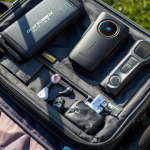
Traveling with golf clubs can make a golf trip feel more personal, comfortable, and exciting, but it also adds risk. Your clubs may be delayed, damaged, misplaced, or exposed to extra baggage fees during the journey. That is why many golfers ask whether golf travel insurance is really necessary before booking a golf vacation. The answer depends on your equipment value, destination, travel method, and how much disruption you can afford if something goes wrong.
For many golfers, clubs are not just sports equipment. They are fitted to swing speed, height, grip preference, shaft flex, and playing style. Therefore, replacing them quickly during a trip is not always simple. Even if a rental set is available, it may not feel right. As a result, one lost or damaged golf bag can turn a carefully planned golf vacation into a stressful experience.
Still, not every golfer needs the same level of protection. A short domestic golf weekend may carry less risk than an international golf trip with multiple flights. Likewise, a casual player with an older set may not need the same coverage as someone traveling with custom clubs, premium wedges, a launch monitor, rangefinder, and golf shoes. Golf travel insurance works best when it matches the real value of the trip and the equipment involved.
Why Traveling with Golf Clubs Adds Extra Risk
Golf clubs are awkward, expensive, and more vulnerable than standard luggage. Airlines and transport services handle thousands of bags every day, and oversized sports equipment can go through extra movement, sorting, and loading. Although many golf bags arrive safely, the risk is higher because clubs are long, rigid, and packed with fragile shafts and clubheads.
Damage can happen in several ways. A driver head may crack, a shaft may snap, or a travel case may get crushed. Sometimes the bag itself survives, but smaller items go missing. Gloves, balls, shoes, rangefinders, and accessories can add up quickly. Because of this, golfers should think beyond the clubs alone when estimating what they are bringing.
Delays can also cause problems. If your golf bag arrives one or two days late, your trip may still continue, but your first round could suffer. You may need to rent clubs, buy golf shoes, or replace basic accessories. Those costs may not seem huge at first, yet they can feel frustrating when the trip already includes flights, accommodation, green fees, and transfers.
International travel adds another layer. Long routes, connecting flights, customs handling, and multiple airports can increase the chances of baggage problems. In addition, language barriers and unfamiliar claims processes can make recovery slower. Therefore, golfers heading overseas should take club protection more seriously.
Road trips are not risk-free either. Clubs can be stolen from a rental car, damaged in transit, or exposed to heat if left inside a vehicle for too long. While driving gives you more control than flying, it does not remove every concern. This is especially true when you stop at hotels, restaurants, or tourist areas between rounds.
What Golf Travel Insurance Can Cover
Golf travel insurance can include several types of protection, depending on the policy. Some plans focus on lost, stolen, delayed, or damaged golf equipment. Others also cover trip cancellation, medical emergencies, travel delays, missed connections, or prepaid golf fees. Because policies vary, it is important to read the terms rather than assuming every golf-related issue is included.
Equipment coverage is usually the first thing golfers look for. This may help reimburse you if your clubs are lost or damaged during travel. However, coverage limits matter. A policy might only cover a certain amount per item or per claim. If your custom driver, irons, wedges, putter, and rangefinder are worth several thousand dollars, basic coverage may not be enough.
Delayed equipment coverage can also be useful. If your clubs do not arrive on time, the policy may help with rental clubs or necessary replacement items. This matters when you have prepaid tee times that cannot be easily moved. For example, if you are playing a famous resort course on a fixed schedule, waiting for your bag may not be an option.
Some policies include protection for prepaid green fees. This can help if illness, travel disruption, or covered delays prevent you from playing. Since premium golf courses often require advance booking, cancellation rules can be strict. Therefore, this feature can be valuable when your trip includes expensive rounds.
Trip cancellation and interruption coverage may protect broader travel costs. Flights, hotels, golf packages, transfers, and prepaid experiences can add up quickly. If a covered reason forces you to cancel or cut the trip short, this part of the policy may reduce your financial loss. However, every plan defines covered reasons differently, so you should check the wording carefully.
Medical coverage is another key part of many travel policies. Golf is generally low impact, but injuries can still happen. A twisted ankle, back strain, heat issue, or cart accident can create unexpected costs, especially abroad. For golfers traveling internationally, medical protection may be even more important than club coverage.
When Golf Travel Insurance Is Worth It
Golf travel insurance becomes more important when your trip is expensive, complex, or difficult to reschedule. If you are flying internationally with fitted clubs and prepaid tee times, coverage can make a lot of sense. The more moving parts your trip has, the more valuable protection becomes.
It is also worth considering when your clubs are expensive or difficult to replace. Custom-fitted sets, premium shafts, high-end putters, and specialized wedges can take time to rebuild. Even if money is reimbursed later, you may not be able to replace your exact setup during the trip. Insurance cannot recreate your preferred feel instantly, but it can soften the financial impact.
Golf travel insurance makes sense for bucket-list trips as well. If you are traveling to play a famous course, attend a golf resort, or join a once-in-a-lifetime group trip, the stakes are higher. Missing a round because of delayed bags or unexpected disruption can feel more painful when the trip took months to plan.
Group trips can also benefit from coverage. When several golfers coordinate flights, lodging, tee times, and transportation, one issue can affect the whole schedule. Although each traveler may need individual coverage, shared planning makes risk easier to see. If everyone understands the insurance situation before departure, the group can avoid confusion later.
You may need less coverage for a simple local trip. If you are driving a few hours with older clubs and flexible tee times, a separate policy may not be necessary. In that case, your existing homeowners, renters, credit card, or auto coverage may already offer some limited protection. Still, you should never assume. Coverage often depends on location, cause of loss, and documentation.
Cost should also guide your decision. If the insurance premium is small compared with the total trip value, it may be a practical choice. However, if the trip is low cost and flexible, the benefit may be limited. A smart decision compares the price of coverage with the potential loss, not just the fear of something going wrong.
What to Check Before You Buy
Before buying coverage, review what you already have. Some credit cards offer travel protections when you use the card to book the trip. Homeowners or renters insurance may cover personal property, including sports equipment, even when you travel. However, deductibles, exclusions, and claim limits can reduce the value of that protection.
Next, check baggage coverage through your airline. Airlines may have rules for sports equipment, but compensation can be limited. They may also require proof of damage, receipts, or quick reporting. If your clubs are valuable, airline liability alone may not fully protect you. Therefore, it should not be your only source of confidence.
Read the policy limits closely. Look for the total equipment limit, the per-item limit, and any deductible. A plan may sound generous until you notice that one item has a low maximum payout. Since golf bags contain several valuable items, this detail matters.
You should also look for exclusions. Some policies may not cover wear and tear, poor packing, unattended equipment, or items left in a vehicle. Others may exclude certain accessories or require original receipts. Because of that, preparation matters before the trip starts.
Documentation can make claims easier. Take clear photos of your clubs, travel case, serial numbers, and accessories before departure. Keep receipts for expensive items when possible. Also, photograph your bag after packing. If damage occurs, report it right away to the airline, hotel, transport company, or relevant provider.
Packing matters too. A strong hard case offers better protection than a soft cover, especially for flights. If you use a soft travel bag, add a stiff arm, remove adjustable driver heads if possible, and pad clubheads with towels or clothing. Good packing may reduce risk and support your claim if damage occurs.
Finally, compare policies based on golf-specific needs. A general travel policy may be enough for some golfers, but others may want a plan that clearly mentions sports equipment or golf clubs. The key is not to buy the first policy you see. Instead, match the coverage to your trip.
How to Travel Smarter with Golf Clubs
Insurance is helpful, but prevention is still better. Start by choosing the right travel bag. A hard case gives strong protection, although it can be heavier and harder to store. A padded soft case is easier to move, but it needs extra internal support. Either way, your clubs should not rattle loosely inside.
Label your golf bag clearly. Add your name, phone number, email address, and destination details. It also helps to place a contact card inside the bag in case the outside tag gets removed. For extra peace of mind, some golfers use luggage tracking devices where allowed.
Arrive early at the airport. Oversized baggage can take longer to check, scan, and load. Rushing increases stress and reduces your ability to solve problems before departure. A calm check-in gives you time to confirm baggage tags and ask questions if needed.
Avoid packing valuables loosely in outside pockets. Rangefinders, watches, sunglasses, and electronics are better kept in carry-on luggage when possible. Golf balls and gloves are easy to replace, but high-value accessories can be harder to recover. If an item is essential and allowed in your carry-on, keep it with you.
Plan for a backup round. Before you travel, check whether the resort or course offers rental clubs. Even if you never need them, knowing the option exists can reduce stress. You can also pack one golf outfit, glove, and small accessories in your carry-on if space allows.
If your clubs are delayed, act quickly. Report the issue before leaving the airport, keep all paperwork, and save receipts for rental gear or emergency purchases. If you have coverage, contact the insurer as soon as possible and follow the claim instructions. Good records can make the process smoother.
Golf travel insurance does not remove every risk, but it can give you a clearer plan when problems happen. Instead of guessing what to do, you have a path for reporting, documenting, and recovering costs. That confidence can make the trip feel less stressful.
Conclusion
Traveling with golf clubs is worth it for many players because familiar equipment can improve comfort and confidence. However, clubs are valuable, oversized, and vulnerable during travel. Delays, damage, theft, and trip interruptions can affect both your budget and your enjoyment.
Golf travel insurance can protect your investment when the trip is costly, the clubs are valuable, or the schedule is hard to change. It is especially useful for international golf vacations, bucket-list rounds, group trips, and resort packages with prepaid fees. Still, it should fit your actual risk rather than become an automatic purchase.
Before you buy, review your current coverage, check policy limits, read exclusions, and document your equipment. Then pack carefully and travel with a backup plan. When you combine smart preparation with the right protection, you can focus less on what might go wrong and more on enjoying the golf trip you planned.
FAQ
1. Do I Really Need Coverage When Flying with Golf Clubs?
You may not always need it, but coverage is useful when your clubs are valuable, your trip is expensive, or your tee times are hard to replace. Flying adds more handling risk, especially when your route includes connections or international airports.
2. Will an Airline Pay for Damaged Clubs?
An airline may offer compensation in some cases, but limits and rules vary. You usually need to report the damage quickly and provide documentation. However, airline coverage may not fully match the value of custom or premium clubs.
3. Can My Homeowners or Renters Policy Protect My Clubs?
It might offer some protection for personal property, even away from home. However, deductibles, exclusions, and coverage limits can apply. Check your policy before relying on it for a golf trip.
4. What Should I Do If My Golf Bag Is Delayed?
Report the delay before leaving the airport and keep the baggage claim paperwork. Then save receipts for rental clubs or necessary replacement items. If you have a policy, contact the provider and follow the claim steps.
5. How Can I Reduce the Risk of Club Damage?
Use a strong travel case, add internal support, protect clubheads, and avoid loose packing. Also, keep valuables in your carry-on when possible. Taking photos before departure can help if you need to prove damage later.